by Gabriel Tam | Oct 3, 2026 | BTS Knowledge Hub, BTS Artificial Intelligence (AI)
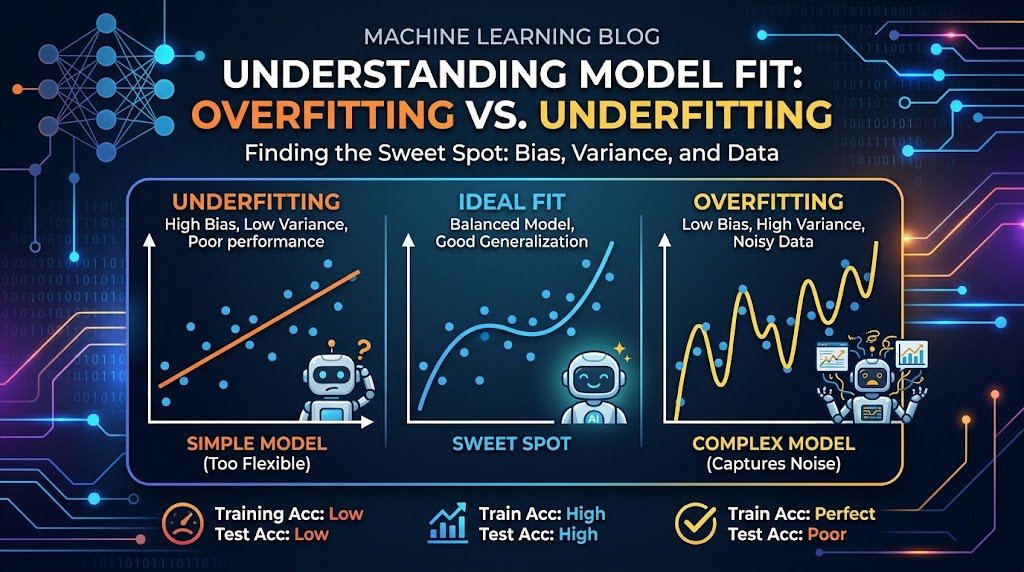
When building a machine learning model, it’s important for the model to learn useful patterns from the data without becoming too simple or closely focused on the examples it has already seen. Two common problems that can occur are known as overfitting and...
by Gabriel Tam | Sep 26, 2026 | BTS Artificial Intelligence (AI), BTS Knowledge Hub
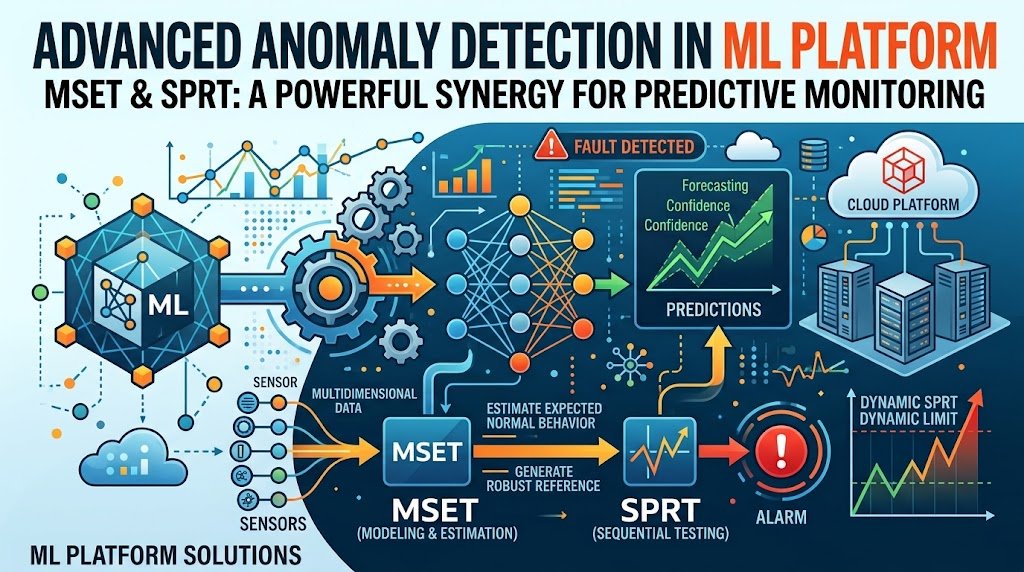
MSET SPRT is a machine learning approach designed to detect subtle anomalies in systems that are monitored over time. Its full name stands for Multivariate State Estimation Technique and Sequential Probability Ratio Test. Instead of simply looking for unusual...
by Gabriel Tam | Sep 19, 2026 | BTS Artificial Intelligence (AI), BTS Knowledge Hub
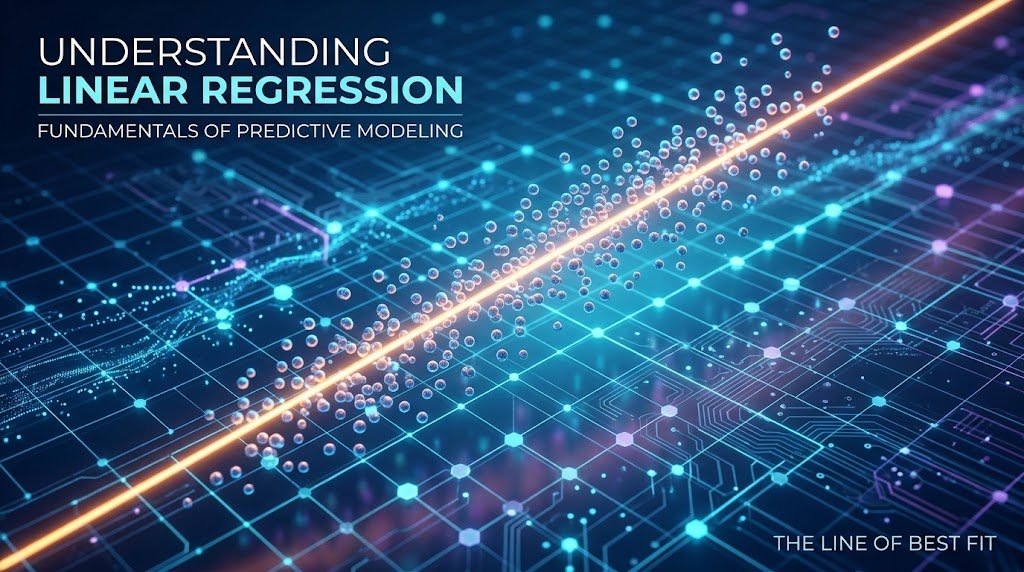
Linear Regression is one of the most widely used approaches for predicting numerical values. It works by examining the relationship between one or more input variables and a numerical outcome, then uses those relationships to make predictions. Because of its fairly...
by Gabriel Tam | Sep 12, 2026 | BTS Knowledge Hub, BTS Artificial Intelligence (AI)
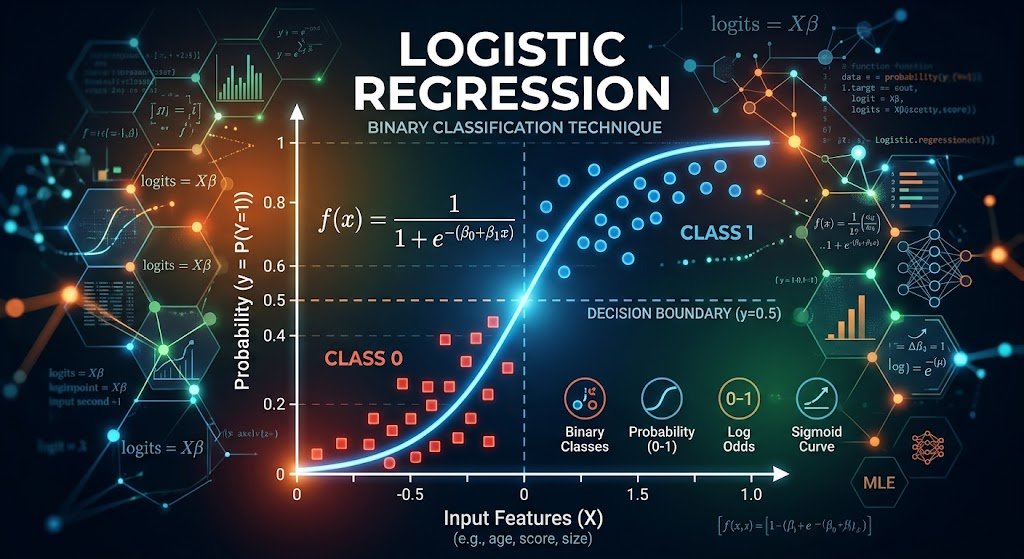
Logistic Regression is a supervised machine learning algorithm used to predict the probability of an outcome belonging to a particular category. Unlike ordinary regression, which is generally used to predict numerical values, Logistic Regression is designed for...
by Gabriel Tam | Sep 5, 2026 | BTS Artificial Intelligence (AI), BTS Knowledge Hub
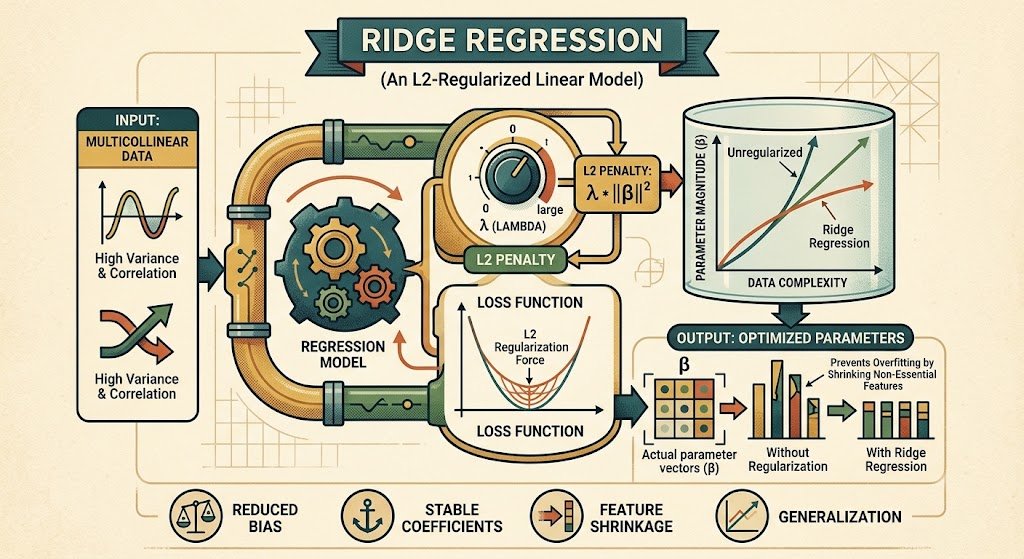
Ridge Regression is a machine learning algorithm used to predict numerical outcomes while assisting with situations where input variables are strongly related to one another. This can be a problem in traditional regression due to the highly correlated variables that...
by Gabriel Tam | Aug 29, 2026 | BTS Artificial Intelligence (AI), BTS Knowledge Hub
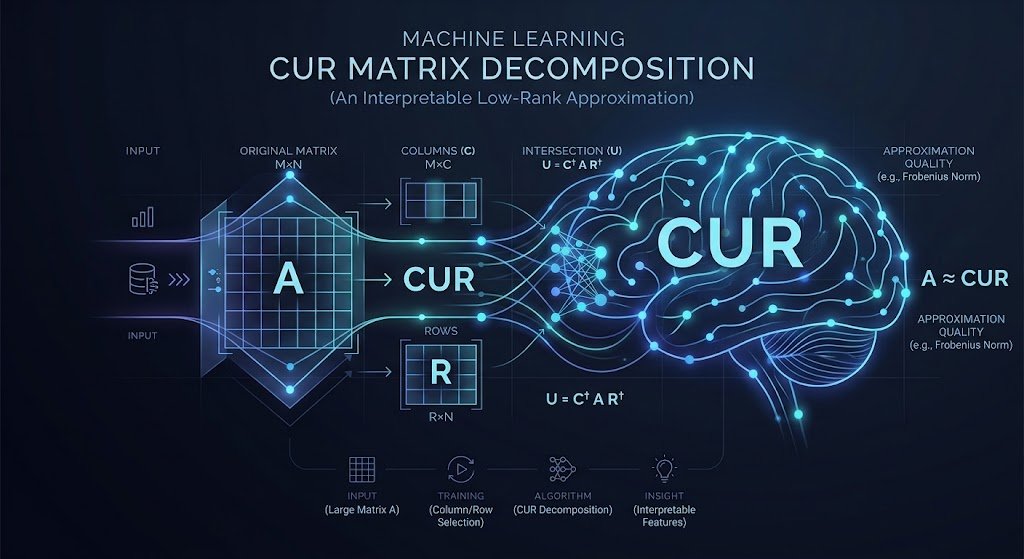
It’s often difficult to pinpoint the parts of the data which are most useful when analyzing datasets. A machine learning technique that simplifies this issue by identifying important rows and columns within a dataset is CUR Matrix Decomposition. Like in Oracle...
